
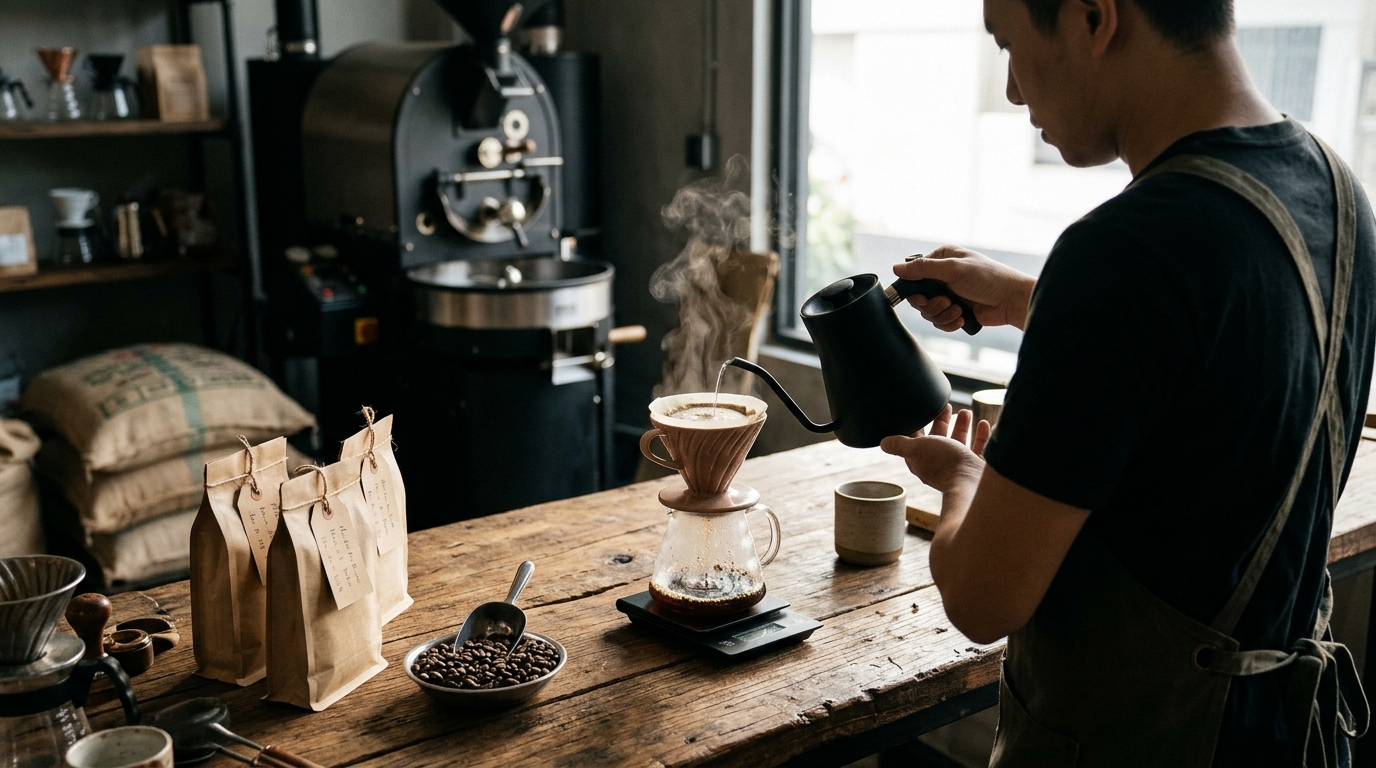
Buying pour over beans without checking the roast date is like buying bread without checking the expiration label. The window between roasting and brewing dramatically impacts flavor clarity, sweetness, and acidity. This guide outlines the seven most effective roast date windows to target for optimal pour over extraction.
1. The 3 to 7 Day Degassing Window
Wait at least three days to allow carbon dioxide to escape. Freshly roasted coffee releases carbon dioxide for several days after the roast. This gas interferes with water extraction, often causing channeling in pour over brewers. Waiting three to seven days ensures the beans have degassed sufficiently for a stable, even extraction.
2. The 7 to 14 Day Peak Clarity Window
Target one to two weeks for maximum flavor clarity. Many specialty roasters consider the first two weeks the peak for light and medium roasts. During this period, the coffee retains its volatile aromatics while the harsh, gassy notes fade. This window is ideal for highlighting the specific origin characteristics of single origin beans.
3. The 14 to 21 Day Sweetness Window
Use two to three weeks for a sweeter, smoother cup. As the coffee ages slightly, the acidity softens and the perceived sweetness increases. This window is particularly effective for medium roasts where balance is the primary goal. The flavors become more integrated, reducing the sharpness that can sometimes characterize very fresh beans.
4. The 21 to 30 Day Stability Window
Choose three to four weeks for consistent, predictable results. By the fourth week, the coffee has reached a stable flavor profile. This window is useful for home brewers who want consistency across multiple brews. The coffee is no longer changing rapidly, making it easier to dial in a repeatable recipe.
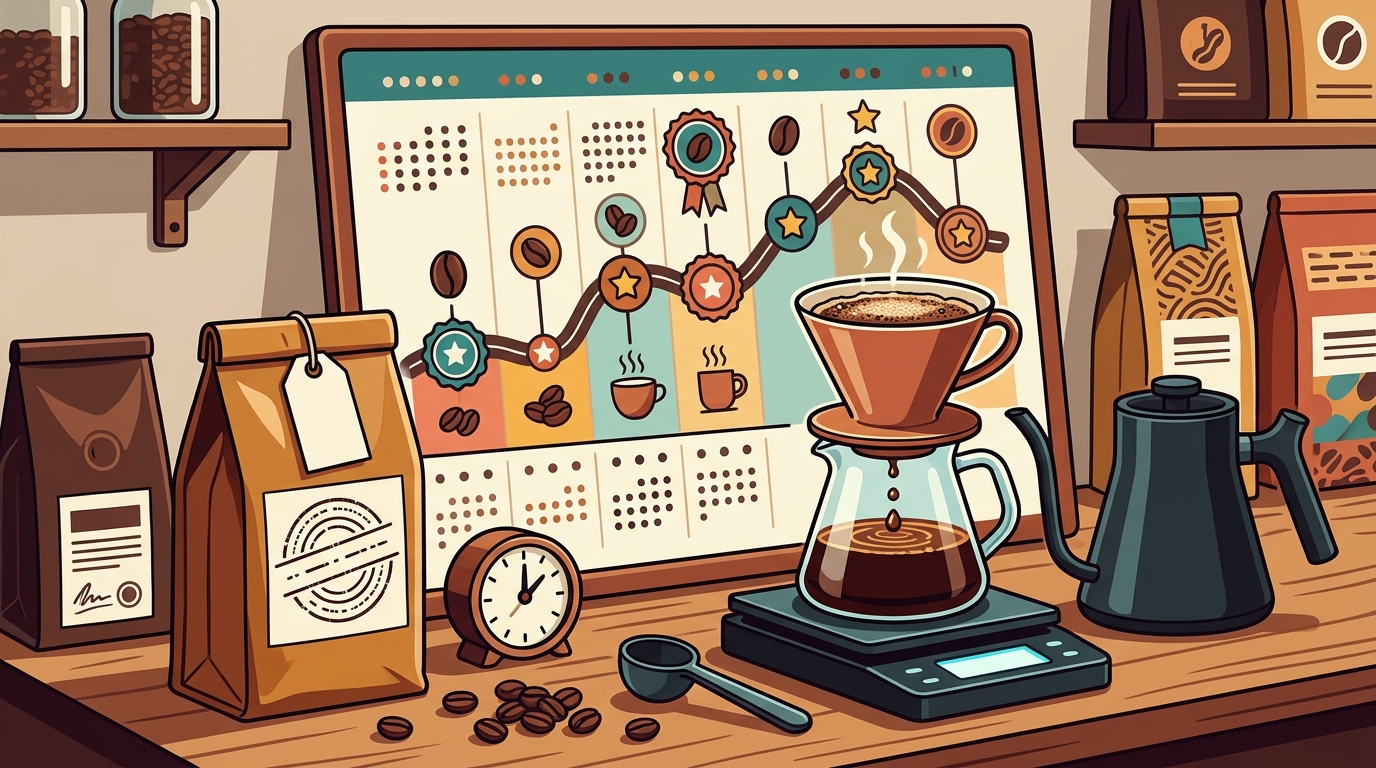
5. The 30 to 45 Day Mellow Window
Opt for one to one and a half months for a mellow profile. Some brewers prefer a less acidic, more mellow cup. At this stage, the bright notes have largely dissipated, leaving behind the underlying body and sweetness. This window works well for darker roasts or for those who find fresh coffee too intense.
6. The 45 to 60 Day Aging Window
Consider one to two months for a very smooth, low-acid cup. While many specialty roasters recommend consuming coffee within 30 days, some brewers enjoy the mellow character of older coffee. At this stage, the coffee is significantly less acidic and has a heavier body. This is a niche preference but can be enjoyable for specific brewing styles.
7. The Beyond 60 Day Staleness Warning
Avoid beans older than two months for pour over. After 60 days, the coffee begins to lose its aromatic compounds and can taste flat or stale. The oils in the beans start to oxidize, leading to off-flavors. For pour over, which highlights subtle nuances, this window is generally not recommended unless the coffee is stored in a vacuum-sealed container.
Choosing the Right Window for Your Taste
Select the roast date window that matches your flavor preference. If you prefer bright, complex, and aromatic cups, aim for the 7 to 14 day window. If you prefer a smoother, sweeter, and less acidic cup, the 14 to 30 day window is a better fit. Experimenting with different windows allows you to dial in your preferred profile for single origin or blend coffees.
Frequently Asked Questions
What is the ideal roast date for pour over coffee?
The ideal roast date for pour over coffee is typically between 7 and 21 days after roasting. This window balances degassing with flavor clarity, allowing the water to extract the full range of aromatics and sugars without interference from carbon dioxide.
How long does it take for coffee to degas?
Most coffee beans release the majority of their carbon dioxide within the first 3 to 7 days after roasting. However, some beans may continue to release small amounts of gas for up to two weeks, which is why waiting at least three days is a common recommendation for pour over brewing.
Does roast date matter more for light or dark roasts?
Roast date matters significantly for both, but light roasts are more sensitive to freshness. Light roasts retain more volatile aromatics that fade quickly, so the 7 to 14 day window is critical. Dark roasts have fewer volatile aromatics and can remain enjoyable for a slightly longer period, though they still benefit from freshness.
How should I store coffee to maximize its roast date window?
Store coffee in an airtight container away from light, heat, and moisture. Oxygen is the primary enemy of fresh coffee, so keeping the beans sealed until you are ready to grind them is essential. Avoid storing coffee in the refrigerator or freezer, as condensation can degrade the beans.
Can I use coffee that is older than 30 days for pour over?
Yes, but the flavor profile will change. Coffee older than 30 days will be less acidic and more mellow. While it may not be as vibrant as fresher coffee, it can still be enjoyable, especially if you prefer a smoother cup. However, it is generally not recommended for highlighting the specific origin characteristics of single origin beans.
Where can I find coffee with a clear roast date?
Look for specialty roasters who print the roast date on the bag to ensure you can track the freshness window for your pour over brews. Learn more: Contact Harlo Coffee Roasters.