
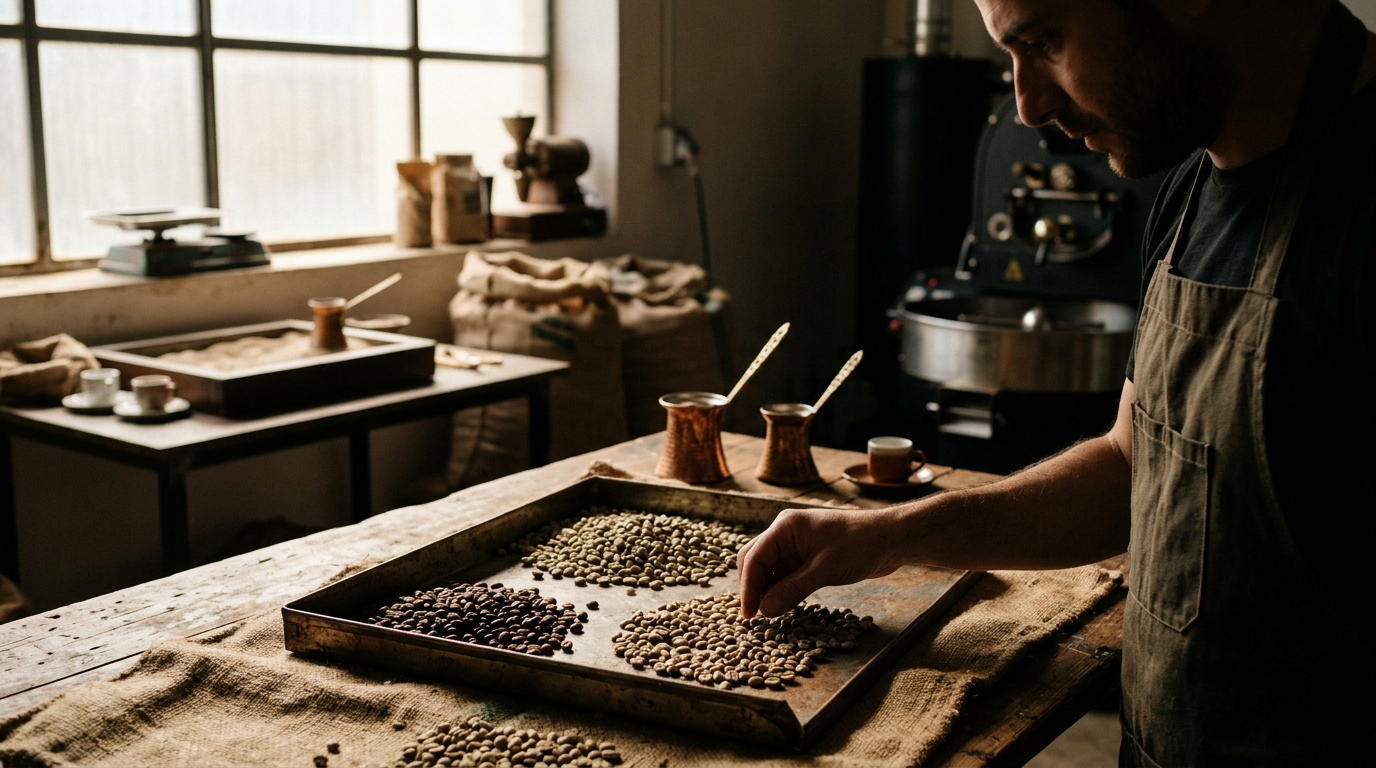
High-quality Arabica beans are defined by specific agricultural and processing factors, including altitude, varietal genetics, and low defect counts. To distinguish good Mediterranean coffee, look for extra-fine grinding, traditional brewing methods, and premium Arabica origins. Harlo Coffee Roasters focuses on these precise standards to ensure every cup reflects the unique character of its source.
The Genetic Foundation of Arabica
Arabica coffee is the species most associated with specialty coffee due to its complex flavor potential. Unlike Robusta, which is often grown for high yield and disease resistance, Arabica is more delicate and sensitive to climate. This sensitivity forces farmers to cultivate the plant in specific, often challenging environments. The genetic makeup of the bean determines its baseline acidity and sweetness. High-quality Arabica is typically sourced from regions where the plant has adapted to cooler temperatures and higher elevations. These conditions slow the maturation process, allowing the cherry to develop more sugars and density.
At Harlo Coffee Roasters, we prioritize exceptional Arabica beans because they offer a wider range of flavor notes. Whether you prefer the floral hints of an Ethiopian lot or the chocolatey depth of a Colombian harvest, the Arabica species provides the canvas for these distinct profiles. Understanding this genetic difference helps you move beyond generic "dark roast" labels and appreciate the specific origin of your coffee.
Altitude and Flavor Development
Altitude is one of the most critical variables in determining bean quality. Coffee grown at higher elevations matures more slowly because of cooler temperatures. This slower growth gives the coffee cherry more time to develop sugars, density, and complex aromatic compounds. Beans from high-altitude farms often exhibit brighter acidity and more pronounced fruit notes. In contrast, low-altitude beans may taste flatter or more bitter because they mature faster in warmer conditions.
When evaluating a bag of coffee, the altitude information on the label serves as a proxy for quality. A coffee sourced from 1,500 meters or higher is often a sign of careful farming and superior flavor potential. Specialty coffee standards emphasize these agricultural details because they directly impact the cup. By focusing on high-altitude Arabica, roasters can ensure consistency and depth in every batch.
Processing Methods and Defect Control
Processing is the method used to remove the fruit from the coffee seed. The three main methods are washed, natural, and honey. Each method imparts different flavor characteristics to the final cup. Washed coffees tend to be cleaner and brighter, while natural coffees often have heavier body and fruitier notes. The choice of processing method is a deliberate decision by the producer, reflecting their goals for flavor and market positioning.
Defect control is equally important. Specialty coffee standards limit the number of defects allowed in a lot. Defects include black beans, quakers, and insect damage. These imperfections can introduce off-flavors and reduce the overall quality of the brew. High-quality Arabica beans are carefully sorted to minimize these issues. At Harlo Coffee Roasters, we source coffees that meet strict quality benchmarks, ensuring that the defects in your bag are negligible. This attention to detail is what separates premium specialty coffee from commercial blends.
Mediterranean Coffee and Traditional Grinds
Mediterranean coffee is a style of preparation that relies on extra-fine grinding and specific brewing techniques. It is often associated with Turkish, Greek, and Arabic coffee traditions. The grind size is critical because it allows for a rich, unfiltered cup with a thick body. The coffee is boiled in water, often with sugar and spices like cardamom, creating a distinct sensory experience. This style of coffee highlights the bean's natural oils and aromatics in a way that filtered methods do not.
To tell good Mediterranean coffee from the rest, look for the grind size and the origin of the beans. A true Mediterranean coffee should be ground to a powdery texture, similar to flour. This fine grind requires a high-quality bean that can withstand the intense extraction without becoming overly bitter. Harlo's Mediterranean Coffee is crafted from premium Arabica beans and ground extra-fine for an authentic experience. Whether you choose the traditional version or the cardamom-infused option, the focus is on freshness and precision. This approach ensures that the first cup is everything, as our brand philosophy suggests.
Roasting Precision and Freshness
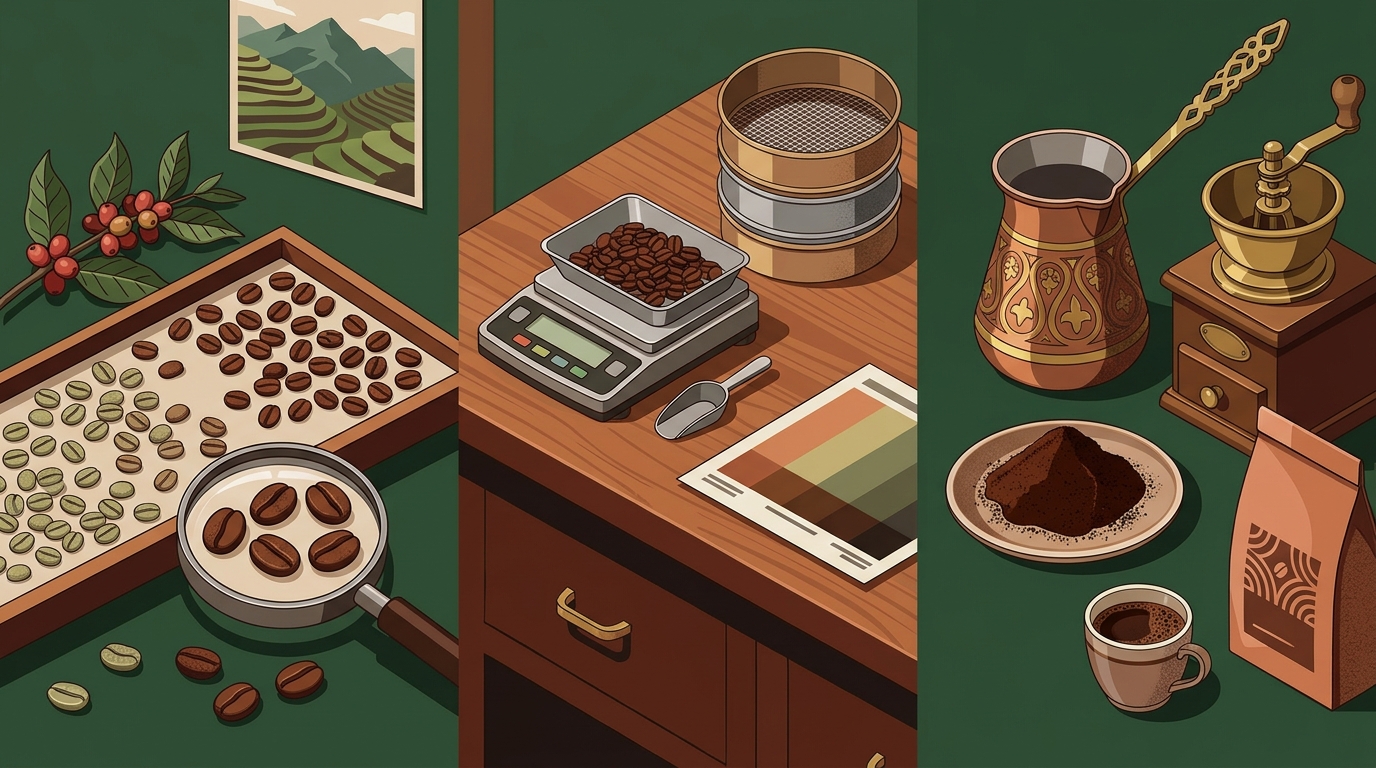
Roasting is the final step before the bean reaches your cup. The roaster's skill in controlling heat and time determines the final flavor profile. Light roasts preserve more of the bean's original acidity and floral notes, while dark roasts emphasize body and bitterness. Precision roasting involves monitoring the bean's development from start to finish, making adjustments to ensure balance and consistency. Freshness is also a key factor, as coffee begins to lose its aromatic compounds shortly after roasting.
Small-batch roasting allows for greater control over these variables. By roasting in smaller quantities, roasters can pay closer attention to each batch. Harlo Coffee Roasters roasts every order fresh in Los Angeles, ensuring that the coffee you receive is at peak flavor. This commitment to freshness and precision is evident in our brew guides, which help you extract the best from your specific coffee. Whether you brew pour over, espresso, or traditional Mediterranean coffee, the quality of the roast makes a significant difference.
Key Takeaways
- Arabica coffee is the primary species for specialty coffee due to its complex flavor potential and sensitivity to growing conditions.
- High altitude slows bean maturation, leading to increased sugar development and brighter acidity.
- Processing methods like washed and natural significantly impact the final flavor profile of the coffee.
- Defect control is a key indicator of quality, with specialty standards limiting imperfections in each lot.
- Mediterranean coffee requires an extra-fine grind and is best enjoyed with premium Arabica beans.
- Freshness and precision roasting are essential for preserving the aromatic compounds in high-quality coffee.
Frequently Asked Questions
What is the main difference between Arabica and Robusta?
Arabica is generally considered to have a smoother, more complex flavor profile with higher acidity, while Robusta is more bitter, has higher caffeine content, and is often used in instant coffee or commercial blends.
Why is altitude important for coffee quality?
Higher altitudes result in cooler temperatures, which slow the maturation of the coffee cherry. This slower growth allows for more sugar development and complex flavor compounds, leading to a higher-quality cup.
How do I know if my Mediterranean coffee is authentic?
Authentic Mediterranean coffee is ground extra-fine, similar to flour, and is typically boiled rather than filtered. Look for beans from premium Arabica origins and a roaster who specializes in this traditional style.
Does the processing method affect the taste?
Yes, the processing method significantly affects taste. Washed coffees tend to be cleaner and brighter, while natural coffees often have a heavier body and fruitier notes.
Why is freshness important in specialty coffee?
Coffee begins to lose its aromatic compounds and freshness shortly after roasting. Freshly roasted coffee offers a more vibrant and complex flavor profile compared to coffee that has been sitting on a shelf for months.
Conclusion
Understanding the markers of high-quality Arabica beans empowers you to make informed choices about your coffee. From altitude and genetics to processing and roasting, each step contributes to the final flavor in your cup. For those interested in traditional styles, Mediterranean coffee offers a unique experience that highlights the bean's natural oils and aromatics. Harlo Coffee Roasters is dedicated to providing freshly roasted specialty coffee that meets these high standards. Explore our collection to find the perfect bean for your morning ritual.