
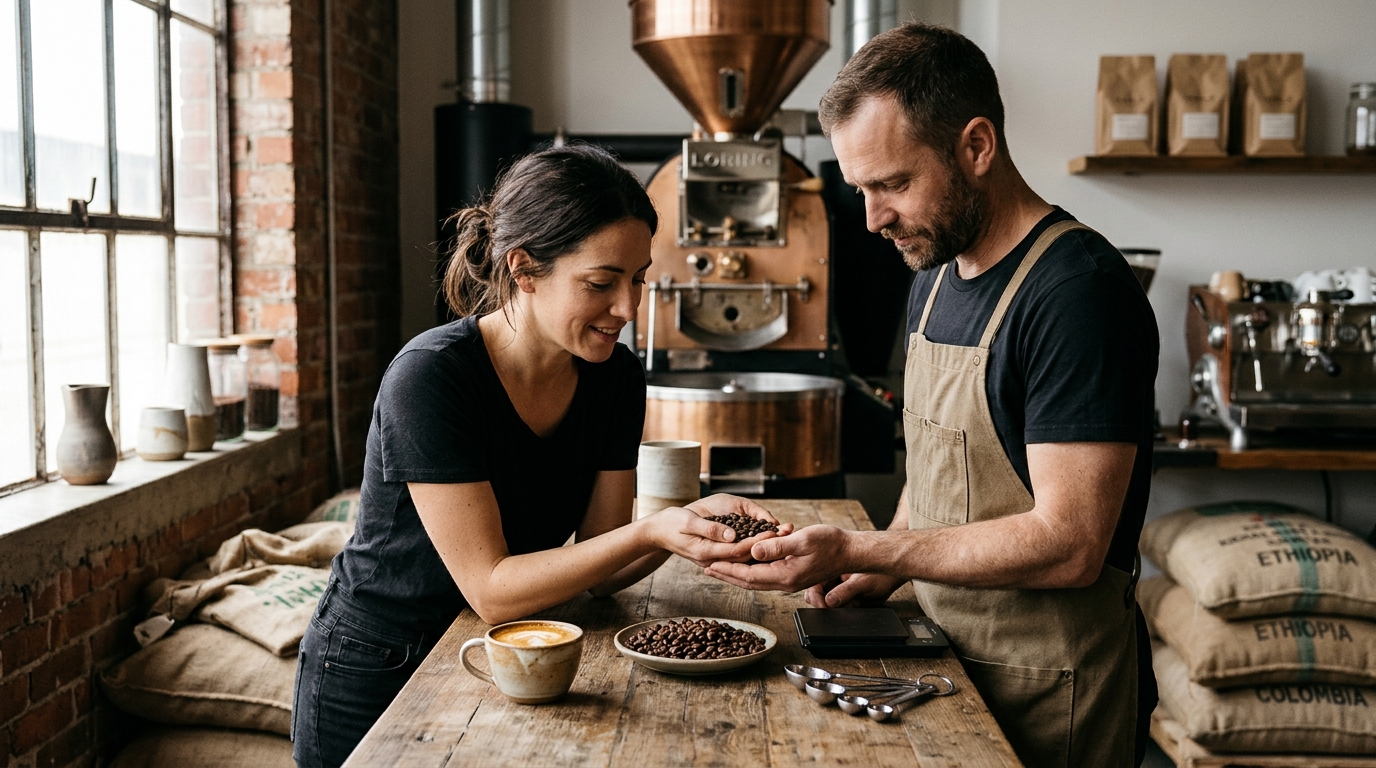
Choosing between organic espresso and regular coffee beans often comes down to flavor profile, sourcing transparency, and brewing consistency. Organic certification ensures specific agricultural practices, while regular beans may offer different roast profiles and price points. At Harlo Coffee Roasters, we focus on high-quality Arabica beans that deliver exceptional flavor regardless of certification status.
1. Flavor Complexity and Sweetness
Organic beans often exhibit brighter acidity and distinct fruit notes compared to standard commercial blends. Many organic farms prioritize heirloom varieties that develop complex sugars during maturation. This results in espresso shots with clearer flavor layers, such as citrus or stone fruit, rather than the uniform bitterness found in some mass-produced regular beans.
2. Sourcing Transparency and Traceability
Organic certification requires documented supply chains that allow consumers to trace beans back to specific farms. Regular coffee beans are frequently blended from multiple origins without detailed labeling. This lack of transparency can make it difficult to understand the actual quality or origin of the coffee in your cup. Harlo Coffee Roasters emphasizes sourcing exceptional coffees from trusted producers who share our commitment to quality.
3. Agricultural Practices and Soil Health
Organic farming prohibits synthetic pesticides and fertilizers, promoting long-term soil health and biodiversity. Regular coffee production may rely on chemical inputs that can affect the surrounding ecosystem. While this does not always translate directly to taste, many consumers value the environmental stewardship associated with organic methods. The health of the soil influences the density and sugar content of the coffee cherry, which impacts the final cup.
4. Roast Profile and Extraction Behavior
Organic espresso beans are often roasted lighter to preserve their inherent flavor characteristics. Regular commercial beans are frequently roasted very dark to mask lower-quality defects or create a consistent, bold profile. Lighter roasts require more precise extraction techniques to avoid sourness. If you are new to espresso, a medium roast regular bean might be more forgiving, but organic light roasts offer a sweeter, more nuanced experience when brewed correctly.
5. Price Point and Accessibility
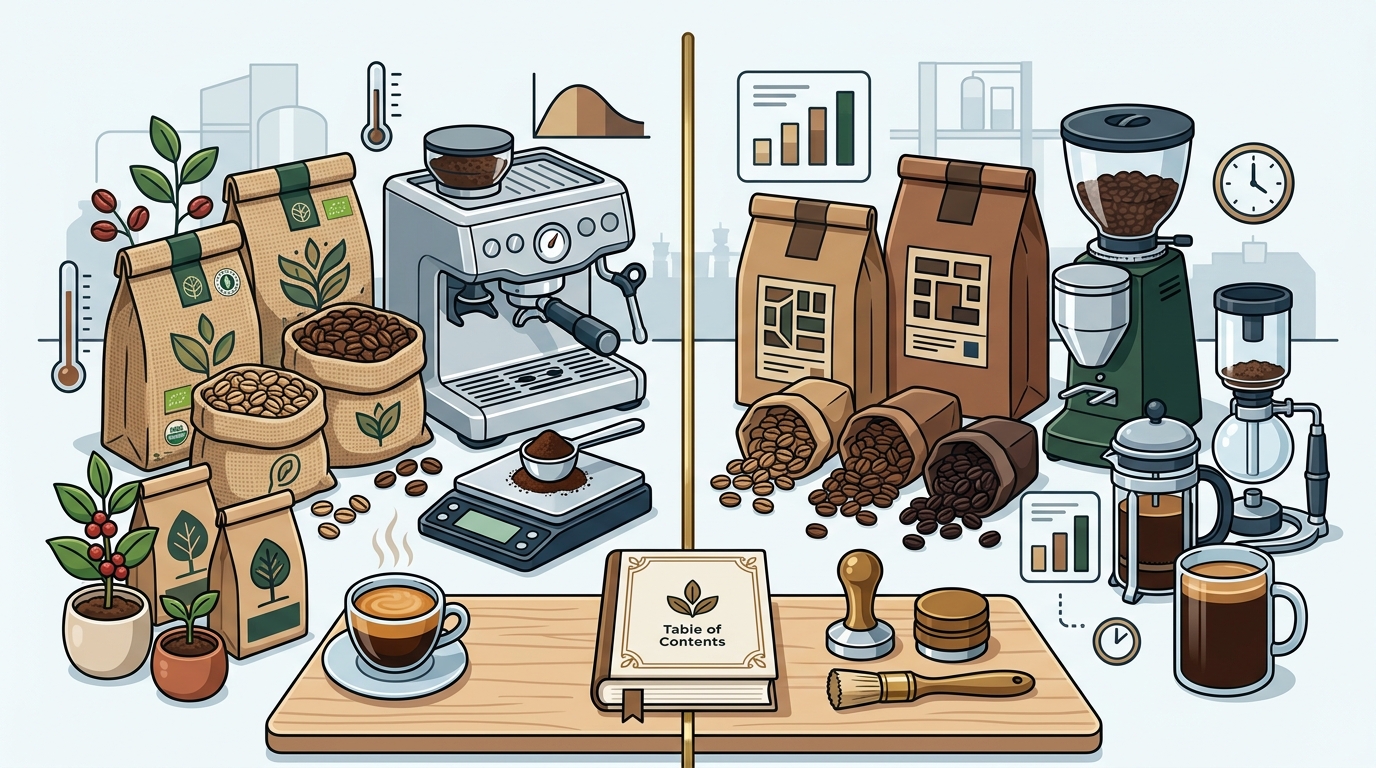
Organic coffee typically carries a premium price due to lower yields and stricter certification costs. Regular coffee beans are generally more affordable and widely available in grocery stores. The price difference reflects the labor-intensive nature of organic farming and the smaller scale of many specialty producers. For home baristas, investing in a smaller bag of high-quality organic espresso can provide a better experience than a large bag of standard commercial coffee.
Choosing the Right Option for Your Home
Select your coffee based on your brewing method and flavor preferences. If you prioritize environmental impact and flavor complexity, choose organic single origin beans. If you prefer a bold, consistent taste on a budget, regular medium-dark roasts may suit you better. At Harlo Coffee Roasters, we roast every batch with precision to ensure balance and consistency, whether you choose our specialty blends or single origins. You can explore our full range of freshly roasted options on our shop page.
Frequently Asked Questions
Is organic coffee always better than regular coffee?
Not necessarily. Organic certification refers to farming practices, not necessarily cup quality. A well-roasted regular bean can taste excellent, while a poorly processed organic bean can taste flat. Focus on roast date and origin for the best flavor.
Can I use organic beans in a standard espresso machine?
Yes. Organic beans behave the same as regular beans in espresso machines. You may need to adjust your grind size and dose slightly, as organic beans are often roasted lighter and may extract differently than dark commercial roasts.
What is the main difference in taste between organic and regular espresso?
Organic espresso often features brighter acidity and distinct fruit or floral notes. Regular espresso, especially from large chains, tends to be darker, smokier, and more bitter due to heavy roasting and blending.
Does Harlo Coffee Roasters offer organic espresso?
Harlo Coffee Roasters sources exceptional Arabica coffees from around the world. We focus on quality and freshness, offering a variety of single origins and blends. Check our single origin collection for specific sourcing details.
How should I store organic espresso beans?
Store beans in an airtight container away from light, heat, and moisture. Keep them whole bean until you are ready to grind. This preserves the volatile oils and aromas that define the quality of both organic and regular specialty coffees.