
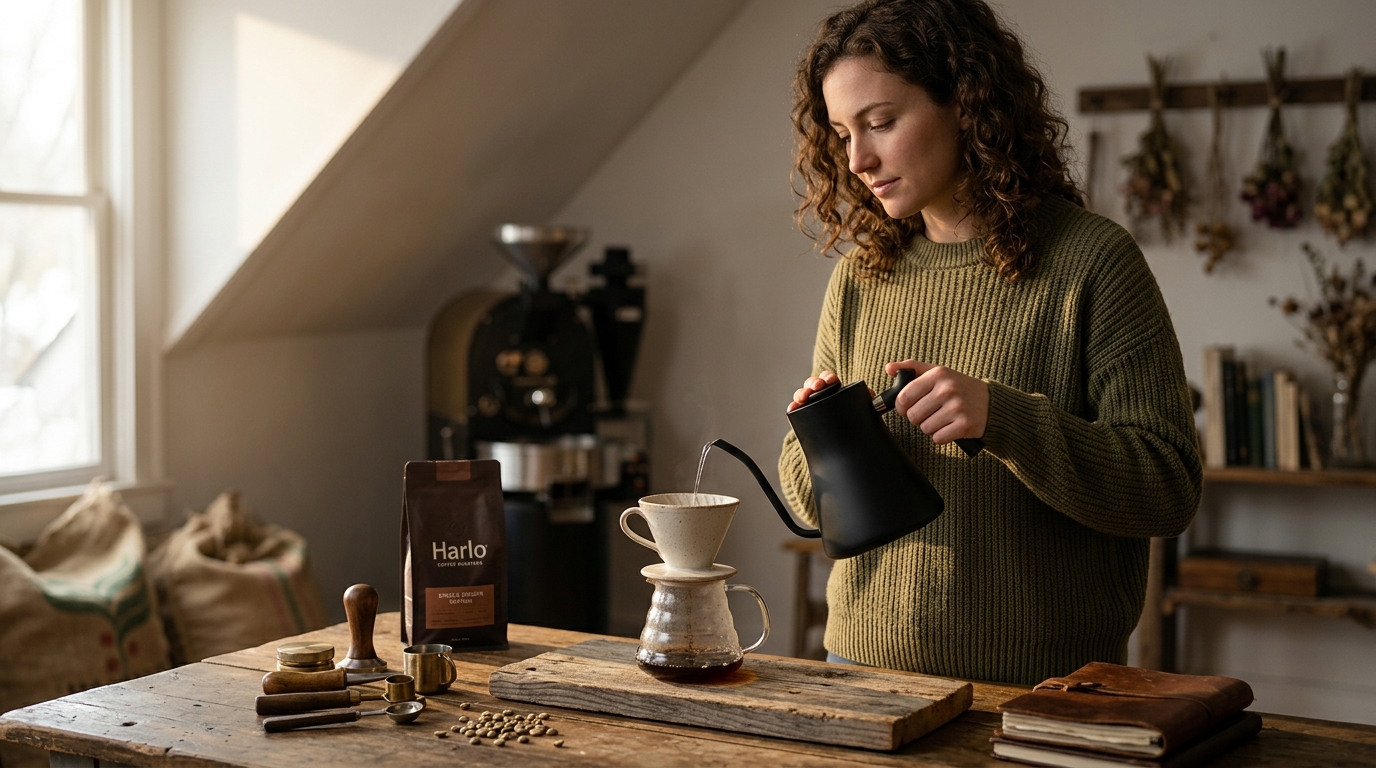
Single origin coffee is coffee sourced from one specific geographic origin rather than being blended with coffees from several origins. This guide helps you identify the best single origin coffee brands to buy online by evaluating sourcing transparency, roast quality, and shipping freshness. We cover how to choose, verify credentials, understand pricing, and avoid common mistakes when purchasing specialty coffee from roasters like Harlo Coffee Roasters.
How to Choose Quality Single Origin Coffee
Choosing the best single origin coffee brands to buy online requires looking beyond the bag label. You need to evaluate the specific region, altitude, and processing method. These factors determine the flavor profile more than the brand name alone. A high altitude coffee grown at 1,900 meters will taste different from one grown at 1,200 meters, even if they come from the same country.
Geographic Specificity
Look for labels that specify the region or farm, not just the country. A bag labeled "Ethiopia" is less informative than one labeled "Yirgacheffe, Ethiopia" or "Sidamo, Ethiopia." Specificity indicates that the roaster is tracking the coffee through the supply chain. This traceability often correlates with higher quality control and better farmer compensation.
Processing Method
The processing method drastically changes the cup profile. Washed coffees tend to be cleaner and brighter, while natural process coffees are often fruitier and heavier. Understanding these basics helps you match the coffee to your taste preferences. For example, if you prefer citrus and floral notes, a washed Ethiopian coffee is a strong starting point.
Specific Questions to Ask Before Committing
Before adding a bag to your cart, ask yourself specific questions about the product. These questions help you filter out low-effort products and find roasters who care about quality. You do not need to contact the company for every question, but the answers should be visible on the product page.
- When was this coffee roasted? Look for a specific date, not just "fresh."
- What is the altitude of the growing region?
- What is the processing method (washed, natural, honey)?
- What are the specific tasting notes?
- Is the coffee available in whole bean or ground?
How to Verify Claims and Credentials
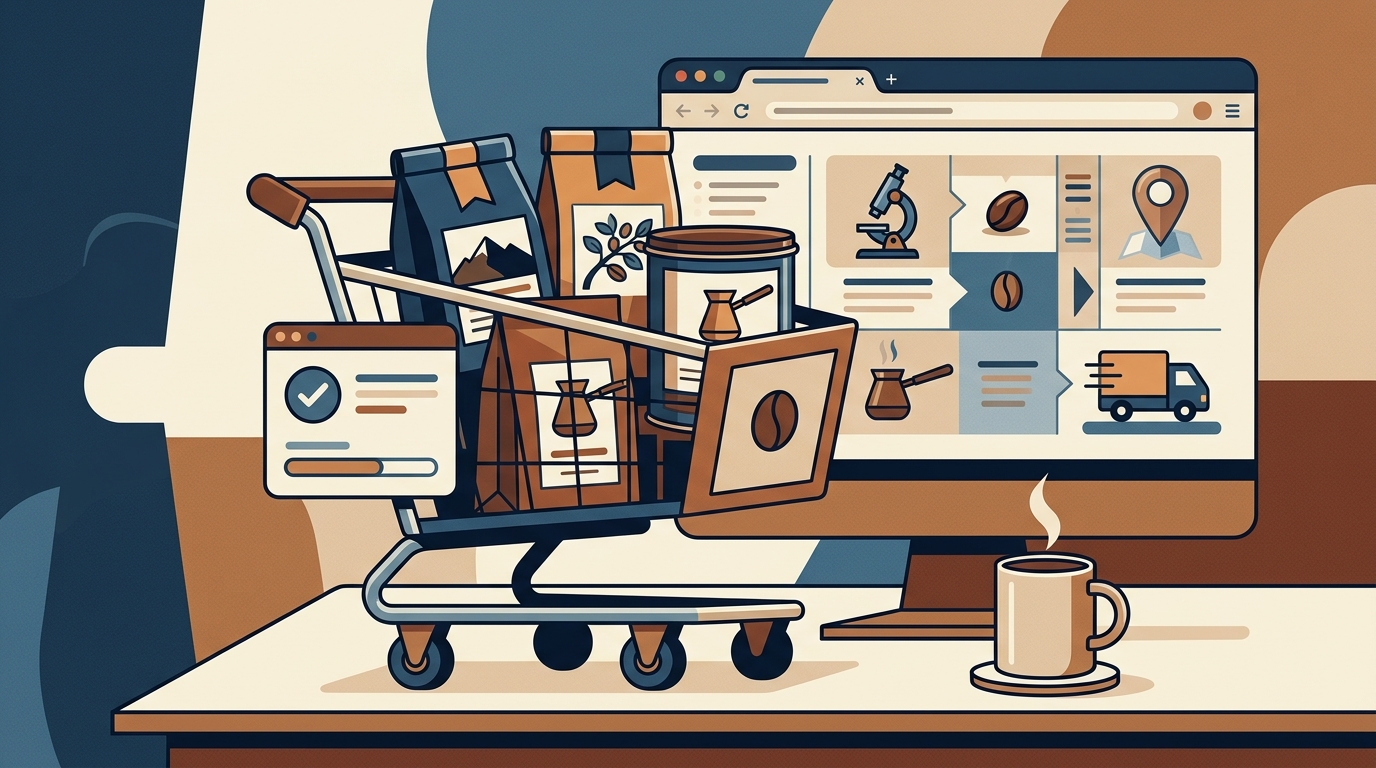
Many online coffee brands make claims about organic status, fair trade, or sustainability. You can verify these claims by checking for specific certification logos and numbers. Organic certification is a legal standard, not a marketing buzzword. If a brand claims their coffee is organic, they should be able to provide the certification body name, such as CCOF or USDA Organic.
Harlo Coffee Roasters, for instance, offers specific organic single origin coffees like their Ethiopian Single Origin and Colombian Single Origin. These products are clearly labeled with their organic status and specific origin details, allowing you to verify the claims directly on the product page.
The Online Coffee Buying Process
Buying coffee online follows a specific timeline that impacts freshness. The process starts with your order, followed by roasting, packaging, and shipping. Understanding this timeline helps you manage expectations for when the coffee will arrive and how fresh it will be.
Roast to Ship Time
The ideal window for drinking coffee is between 7 and 21 days after roasting. If a roaster ships immediately after roasting, the coffee may still be degassing. If they wait too long, the flavor degrades. Look for roasters who roast to order and ship within 24 to 48 hours of the roast date.
Shipping Transit
Shipping time varies by location. Domestic orders in the US typically arrive within 3 to 5 business days. International orders can take longer, which may affect the freshness upon arrival. Check the shipping policy to understand the total time from order to delivery.
Understanding Single Origin Coffee Pricing
Single origin coffee prices vary based on several factors. The cost is not just about the bean; it includes sourcing, roasting, packaging, and shipping. Understanding these drivers helps you evaluate value rather than just price.
| Factor | Impact on Price | Why It Matters |
|---|---|---|
| Altitude | Higher altitude = Higher price | Harder to grow, slower ripening, more complex flavor |
| Processing | Natural process = Often higher price | More labor intensive, higher risk of defects |
| Certifications | Organic/Fair Trade = Higher price | Cost of certification and compliance |
| Roaster Scale | Small batch = Higher price | Higher labor cost per pound, more attention to detail |
Common Mistakes to Avoid
Many buyers make the same mistakes when purchasing coffee online. Avoiding these errors can save you money and improve your coffee experience.
Buying Too Much at Once
Coffee loses flavor over time. Buying a large quantity that you will not finish within a month leads to stale coffee. Start with smaller quantities to find what you like, then scale up.
Ignoring the Roast Date
Some online retailers sell coffee that was roasted weeks or months ago. Always check the roast date. If it is not listed, assume the coffee is not as fresh as it could be.
Choosing Based on Brand Name Alone
Big brand names do not always mean better quality. Focus on the specific attributes of the coffee: origin, altitude, process, and roast date.
Single Origin vs. Blended Coffee
Single origin coffee and blended coffee serve different purposes. Single origin highlights the unique character of a specific place. Blends are designed for consistency and specific flavor profiles, often for espresso. If you want to explore different flavors and origins, single origin is the better choice. If you want a consistent cup for your daily espresso, a blend might be better.
Harlo Coffee Roasters offers both options. Their Specialty Coffee collection includes single origin options for exploration and blends for consistency. This allows you to choose based on your specific brewing needs.
Choosing Coffee for Specific Brewing Methods
The best single origin coffee depends on how you brew it. Different brewing methods highlight different aspects of the coffee.
Pour Over
Pour over brewing highlights clarity and acidity. Bright, washed single origin coffees from Ethiopia or Colombia work well here. Look for notes of citrus, stone fruit, or floral aromatics.
Espresso
Espresso requires coffee that can stand up to pressure and milk. Heavier, more syrupy coffees from Indonesia or Brazil often work well. Look for notes of chocolate, caramel, or nuts.
French Press
French press brewing highlights body and texture. Medium to dark roast single origin coffees with earthy or spicy notes work well in this method.
Consumer Protections and Standards
When buying coffee online, you are protected by consumer laws and industry standards. Reputable roasters adhere to these standards. Look for clear return policies, accurate product descriptions, and secure payment processing. If a product is described as organic, it must meet USDA Organic standards. If it is described as fair trade, it should be certified by a recognized body.
Regional Considerations for Online Buyers
Your location affects shipping times and costs. If you are in the US, domestic shipping is usually fast and affordable. If you are outside the US, international shipping may take longer and cost more. Some roasters, like Harlo Coffee Roasters, ship from specific locations, such as Los Angeles, which may affect delivery times for customers in other regions.
Timing Your Coffee Purchase
Timing your purchase ensures you receive fresh coffee. Order coffee that will arrive within 7 to 14 days of the roast date. If you are planning to use the coffee immediately, order it so it arrives just after the degassing period. If you are storing it for later, order it so it arrives closer to the peak freshness window.
Long Term Flavor and Quality Expectations
Over time, you will develop a palate for specific origins and processes. Start with a variety of single origin coffees to find what you like. Keep notes on what you enjoy: acidity, body, sweetness, and specific flavor notes. This helps you make more informed purchases in the future. You may find that you prefer washed Ethiopians for pour over and natural Brazilians for espresso. This personalization is the reward of buying single origin coffee online.
Key Takeaways
- Single origin coffee is sourced from one specific geographic origin, offering unique flavor profiles.
- Look for geographic specificity, altitude, and processing method on the label.
- Verify organic and fair trade claims by checking for specific certification logos.
- Check the roast date to ensure freshness; ideal consumption is 7 to 21 days post-roast.
- Price is driven by altitude, processing, certifications, and roaster scale.
- Avoid buying too much at once and ignore brand names in favor of specific attributes.
- Match the coffee to your brewing method: bright for pour over, heavy for espresso.
- Timing your purchase ensures you receive coffee at peak freshness.
Frequently Asked Questions
What is the best single origin coffee for beginners?
Washed Ethiopian or Colombian coffees are great for beginners. They are bright, clean, and easy to appreciate. Look for notes of citrus, stone fruit, or floral aromatics.
How long does single origin coffee stay fresh?
Single origin coffee stays fresh for about 4 to 6 weeks after roasting. The peak flavor window is between 7 and 21 days. Store it in an airtight container away from light and heat.
Is single origin coffee more expensive than blended coffee?
Single origin coffee is often more expensive than blended coffee. This is because it is sourced from specific regions and farms, and it is not blended to hide defects. The price reflects the quality and traceability.
Can I buy single origin coffee in ground form?
Yes, many roasters offer single origin coffee in ground form. However, whole bean is recommended for maximum freshness. Grind the coffee just before brewing to preserve flavor.
What is the difference between washed and natural process coffee?
Washed process coffee is cleaner and brighter, with higher acidity. Natural process coffee is fruitier and heavier, with lower acidity. The choice depends on your taste preference.
How do I know if a coffee is organic?
Look for the USDA Organic logo or a specific certification body name on the bag. If the bag says "organic" without a logo, it may not be certified. Check the product page for details.
Where can I buy single origin coffee online?
You can buy single origin coffee online from specialty roasters like Harlo Coffee Roasters. Look for roasters who provide detailed information about origin, altitude, and roast date.