
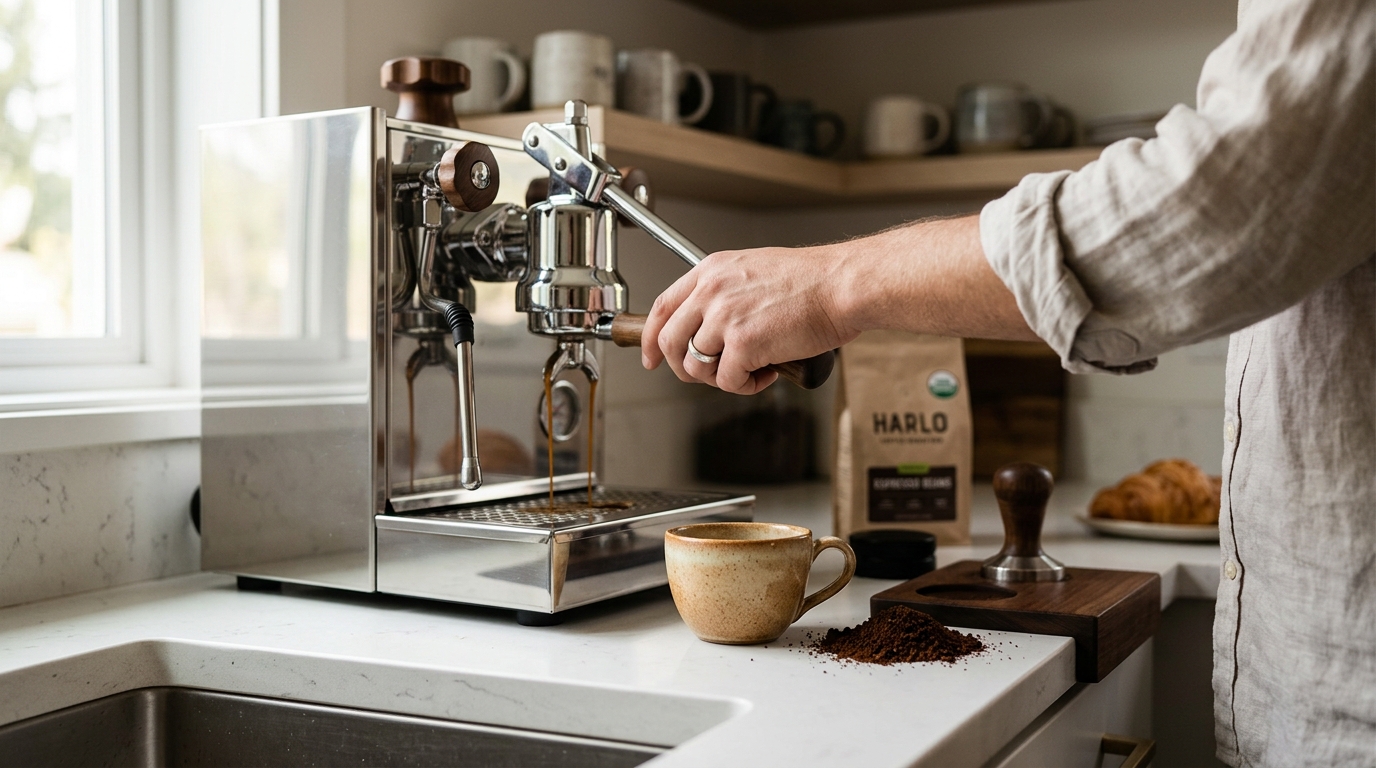
Choosing the right organic coffee beans for home espresso requires balancing roast profile, grind size, and certification standards. Harlo Coffee Roasters provides a framework for selecting high-quality, freshly roasted beans that deliver consistent crema and flavor. This guide covers specific bean recommendations and explains organic certification standards to help you make an informed purchase.
Specific Bean Recommendations
Espresso preparation demands beans with a specific density and oil content to produce stable crema. The ideal bean is not defined by a single variety but by the roast level and origin characteristics. For home espresso, a medium to dark roast is typically preferred because it reduces acidity and enhances body. This profile allows the high pressure of an espresso machine to extract sugars and oils effectively. For additional details, review the Your Shopping Cart ndash.
Single Origin vs. Blends
Roast Level and Grind Size
Recommended Profiles for Home Espresso
For a balanced cup, look for beans with notes of chocolate, caramel, and nuts. These flavors are generally well-received and mask any minor extraction errors. For a brighter, more complex cup, consider beans with fruit or floral notes. These require precise extraction but reward the effort with a vibrant taste. Avoid beans that are too light or too dark for your preference. A medium roast is a safe starting point for most home espresso setups. For additional details, review the .
| Bean Type | Roast Level | Flavor Profile | Best For |
|---|---|---|---|
| Single Origin | Medium | Fruity, Floral, Bright | Specialty enthusiasts, precise extraction |
| Espresso Blend | Medium-Dark | Chocolate, Nutty, Balanced | Consistency, milk-based drinks |
| Dark Roast | Dark | Smoky, Bitter, Heavy | Strong flavor preference, quick extraction |
Organic Certification Standards
Organic certification is a regulated process that ensures coffee is grown without synthetic pesticides or fertilizers. Organic certification is a third-party verification that a product meets specific agricultural standards. This process involves annual inspections and audits of the farm and processing facilities. Understanding these standards helps you verify the authenticity of the beans you buy. according to Organic Agriculture Economic For additional details, review the Customer Experience.
USDA Organic Standards
In the United States, the USDA National Organic Program (NOP) sets the standards for organic products. To be labeled as organic, at least 95% of the ingredients must be organically produced. The remaining 5% must be on a list of allowed non-organic substances. This standard applies to the coffee beans themselves, not necessarily the packaging or processing aids. Look for the USDA Organic seal on the packaging to confirm compliance.
International Organic Standards
Many coffee beans are grown in countries outside the United States. These countries may have their own organic certification bodies. For example, the European Union has its own organic logo and standards. When buying beans from international origins, check for the specific certification body listed on the package. This ensures that the beans meet the organic standards of the exporting country. Some certifications are more rigorous than others, so research the specific label if you have concerns. according to Consumer Choices and
Why Organic Matters for Espresso
Organic farming practices often result in healthier soil and more sustainable agricultural methods. While the flavor difference between organic and non-organic beans is subjective, many consumers prefer the ethical and environmental benefits of organic coffee. For espresso, the quality of the bean is paramount. Organic certification is one indicator of quality, but it is not the only one. Freshness, roast date, and origin are equally important factors to consider.
Key Takeaways
- Choose medium to dark roast beans for home espresso to ensure stable crema and body.
- Blends offer more consistency than single origins for home baristas.
- Grind size must be adjusted based on the roast level and your machine. according to Statistics Leading coffee
- Look for the USDA Organic seal to verify organic certification in the US.
- International beans may carry different organic labels; check the specific certification body.
- Freshness is critical; buy beans roasted within the last two weeks for optimal flavor.
- Experiment with different origins to find your preferred flavor profile.
Frequently Asked Questions
What is the best roast level for home espresso?
A medium to medium-dark roast is generally recommended for home espresso. This range provides a balance of acidity and body, making it easier to extract consistently. Lighter roasts can be more challenging to dial in, while darker roasts may taste bitter if over-extracted.
How do I know if coffee beans are truly organic?
Look for a recognized organic certification seal on the packaging, such as the USDA Organic logo in the United States. The seal indicates that the beans have been inspected and verified to meet organic standards. You can also check the packaging for the name of the certifying body.
Can I use single origin beans for espresso?
What grind size should I use for espresso?
Espresso requires a fine grind, similar to table salt. The exact size depends on your machine and the roast level of the beans. Start with a fine setting and adjust based on the extraction time. A typical shot should take 25 to 30 seconds to pull.
Does organic certification affect the taste of the coffee?
Organic certification itself does not directly affect taste. However, organic farming practices can influence the bean's quality and flavor profile. The taste is primarily determined by the origin, variety, and roast level. Many consumers find that organic beans have a cleaner, more distinct flavor.
How long do organic coffee beans stay fresh?
Whole bean coffee stays fresh for about two to four weeks after roasting. Ground coffee loses its freshness much faster, within days. To maximize freshness, store beans in an airtight container away from light and heat. Buy beans in small quantities to ensure you use them while they are at their peak.
Where can I buy high-quality organic espresso beans?
Conclusion
Selecting the right organic coffee beans for home espresso involves understanding roast levels, grind sizes, and certification standards. By choosing beans that match your flavor preferences and verifying their organic status, you can enjoy a consistent and high-quality cup. Harlo Coffee Roasters offers a range of specialty coffees roasted to order, ensuring freshness and quality. Explore their selection to find the perfect beans for your espresso setup.