
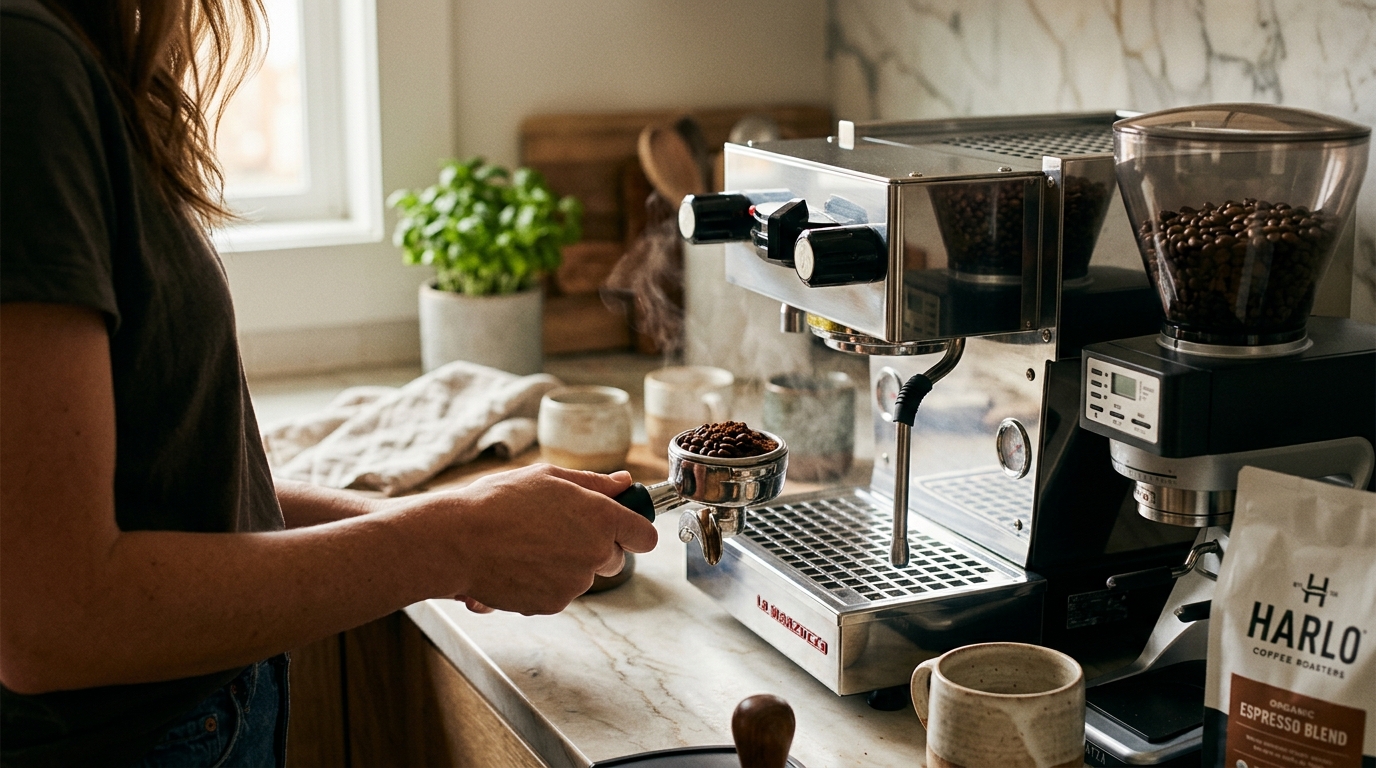
Choosing the right organic coffee beans for home espresso requires balancing processing methods, roast profiles, and grind consistency. Harlo Coffee Roasters offers organic single origin options specifically roasted to highlight the unique character of each region. This guide covers specific bean recommendations, processing impacts, and brewing adjustments to help you dial in the perfect shot.
Specific Bean Recommendations
When selecting organic beans for espresso, the origin and processing method dictate the flavor profile. Harlo Coffee Roasters sources exceptional Arabica beans from renowned growing regions, ensuring every batch is roasted to order in Los Angeles for peak freshness. Below are specific recommendations based on your taste preferences.
Organic Indonesian Single Origin
For espresso lovers who prefer body and depth over sharp acidity, the Organic Indonesian Single Origin is an excellent choice. This coffee utilizes the traditional wet-hulled process, known as giling basah. This method creates a heavier body and softer acidity. In the cup, you will find notes of dark cocoa, caramelized sugar, warm spice, and subtle cedar. It is rich without tasting burnt and powerful without being harsh.
Organic Ethiopian Single Origin
If you enjoy bright, fruit-forward espresso, consider the Organic Ethiopian Single Origin. Sourced from high-elevation farms and washed for exceptional clarity, this coffee opens with lively citrus notes followed by sweet stone fruit and berry complexity. As espresso, it becomes syrupy and exceptionally clean with a sweet lingering finish. This option is ideal for those who appreciate clarity and floral-fruit profiles.
Organic Colombian Single Origin
For a balanced cup with vibrant sweetness, the Organic Colombian Single Origin is a strong contender. This washed coffee brings out natural tasting notes of peach, cherry, and blackberry. It creates a smooth cup with vibrant sweetness rather than sharp acidity. While especially well suited for pour over, it performs well in espresso for those who prefer a cleaner, fruitier shot.
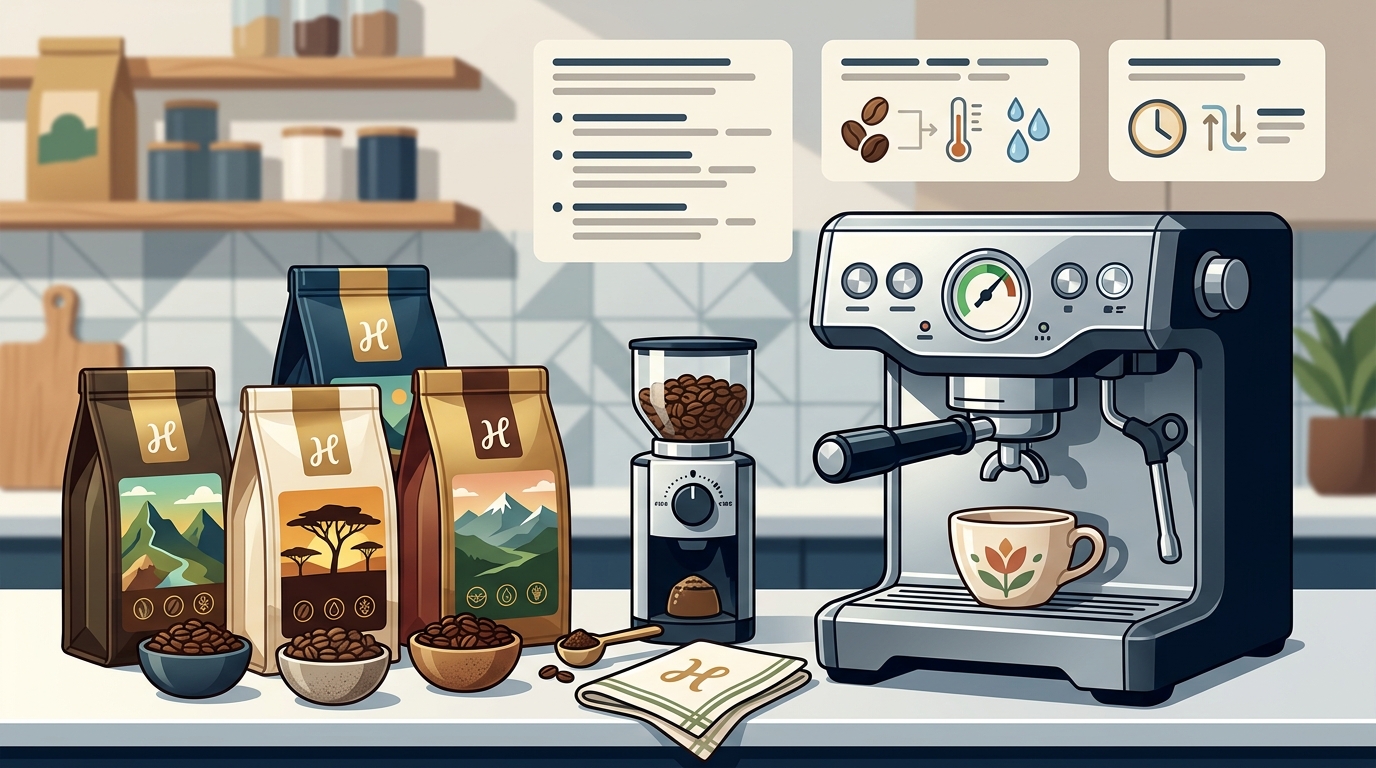
How Processing Affects Espresso
Coffee processing is the method used to remove the fruit from the coffee seed. The choice of processing significantly impacts the final flavor of your espresso. Understanding these methods helps you predict how a bean will behave in your machine.
Wet-Hulled (Giling Basah)
Wet-hulling is a processing method where the coffee's parchment is removed while the beans still contain significantly more moisture than coffees processed through conventional washed methods. This unusual step contributes to the heavy body and distinctive character associated with many Indonesian coffees. It results in a softer acidity and a syrupy texture that holds up well in milk-based drinks.
Washed Process
The washed process involves removing the fruit from the seed before drying. This method helps preserve a clean cup while allowing the natural terroir to shine through. Washed coffees, such as the Ethiopian and Colombian options from Harlo's single origin collection, typically offer higher clarity and distinct fruit notes. They are less likely to have earthy or funky undertones compared to natural or wet-hulled processes.
Water Process (Decaf)
For those who want espresso flavor without the caffeine, the Organic Peru Decaf uses the Royal Select Water Process. This decaffeination method preserves the natural character of the coffee. It creates a clean, smooth cup with cocoa sweetness and caramel upfront. It has enough body for espresso while remaining clean and approachable.
Choosing the Right Roast Profile
Roast level is a critical factor in espresso extraction. The roast profile determines how easily the coffee extracts and what flavors are emphasized. Harlo Coffee Roasters roasts every batch in small quantities with precision and care to bring out the unique character of each coffee.
Medium Roast for Balance
Most of the organic single origins offered by Harlo are medium roasts. A medium roast provides a balance between the origin's natural flavors and the development of roast characteristics. It allows for a wide extraction window, making it easier to dial in for home espresso machines. This roast level preserves the sweetness and fruit notes while providing enough body for a satisfying shot.
Avoiding Over-Roasting
Dark roasts can mask the unique flavors of the origin and often result in a bitter, ashy taste. By choosing a medium roast, you ensure that the specific characteristics of the bean, such as the cedar in the Indonesian coffee or the citrus in the Ethiopian coffee, remain prominent. This approach aligns with the specialty coffee standard of highlighting the bean's quality rather than hiding it behind heavy roasting.
Grind Size and Freshness
Freshness and grind size are the two most controllable variables in home espresso. Coffee is a perishable product, and its flavor degrades over time due to oxidation. Harlo Coffee Roasters ships coffee fresh from Los Angeles, ensuring you receive it at peak quality.
The Importance of Fresh Roast
Every bag is roasted to order in Los Angeles. This ensures that the coffee is not sitting in a warehouse for months. Freshly roasted coffee releases carbon dioxide, which affects crema and extraction. Waiting a few days after roasting allows the gas to degas, leading to a more even extraction. However, buying coffee that is too old results in a flat, stale cup. Ordering from a roaster that ships immediately after roasting, like Harlo's subscription service, ensures consistent freshness.
Grind Size for Espresso
Espresso requires a fine grind, often compared to the texture of table salt. The grind size must be fine enough to create resistance to the water pressure but not so fine that it causes channeling or over-extraction. If you do not have a grinder, Harlo's grind guide explains that they can grind your coffee fresh for your favorite brew method. Choosing the correct grind size is essential for achieving the desired extraction time and flavor profile.
Dialing In Your Espresso
Dialing in is the process of adjusting your espresso recipe to achieve the desired taste. It involves tweaking variables such as grind size, dose, and yield. Here is how to approach dialing in with organic beans.
Start with a Baseline
Begin with a standard recipe, such as 18 grams of coffee in and 36 grams of espresso out. Aim for an extraction time of 25 to 30 seconds. If the shot runs too fast and tastes sour, your grind is likely too coarse. If it runs too slow and tastes bitter, your grind is likely too fine. Adjust one variable at a time to isolate the cause.
Tasting for Balance
Listen to your palate. Sourness indicates under-extraction, while bitterness indicates over-extraction. The goal is a balanced cup with sweetness and clarity. For the Indonesian coffee, you may need a slightly finer grind to bring out the syrupy body. For the Ethiopian coffee, a slightly coarser grind might help preserve the bright citrus notes without becoming too sharp.
Key Takeaways
- Processing matters: Wet-hulled beans like the Indonesian single origin offer heavy body and soft acidity, while washed beans like the Ethiopian offer bright clarity and fruit notes.
- Medium roast is versatile: It provides a wide extraction window and preserves origin character, making it ideal for home espresso.
- Freshness is critical: Coffee roasted to order and shipped immediately, as done by Harlo Coffee Roasters, ensures peak flavor and crema.
- Grind size is adjustable: Fine grind is required for espresso, but the exact setting depends on your machine and the specific bean's density.
- Decaf is an option: The Royal Select Water Process decaf retains flavor and body, allowing for espresso enjoyment without caffeine.
- Dial in systematically: Adjust one variable at a time, starting with grind size, to achieve a balanced shot.
- Support local roasters: Buying from a local roaster like Harlo ensures quality control and supports the specialty coffee community.
Frequently Asked Questions
What is the best organic coffee for espresso?
The best organic coffee for espresso depends on your taste preference. For body and sweetness, choose a wet-hulled bean like the Indonesian single origin. For brightness and fruit, choose a washed bean like the Ethiopian single origin. Both are available as organic options from Harlo Coffee Roasters.
Is wet-hulled coffee good for espresso?
Yes, wet-hulled coffee is excellent for espresso. The process creates a heavier body and softer acidity, which results in a syrupy shot that holds up well in milk-based drinks. It is less likely to taste sharp or acidic compared to washed coffees.
How fresh should my espresso beans be?
Espresso beans should be as fresh as possible. Ideally, they should be roasted within the last week. Coffee roasted to order and shipped immediately, like those from Harlo Coffee Roasters, ensures you receive the beans at their peak flavor potential.
Can I use decaf coffee for espresso?
Yes, you can use decaf coffee for espresso. The Royal Select Water Process used for the Peru Decaf preserves the natural character of the coffee. It has enough body for espresso while remaining clean and approachable, allowing you to enjoy the ritual without the caffeine.
What grind size should I use for espresso?
Espresso requires a fine grind, often compared to the texture of table salt. The exact setting depends on your machine and the specific bean. Start with a fine setting and adjust based on extraction time and taste. If you do not have a grinder, Harlo Coffee Roasters can grind your coffee fresh for your preferred brew method.
Why does my espresso taste bitter?
Bitterness usually indicates over-extraction. This can happen if the grind is too fine, the water is too hot, or the shot time is too long. Try coarsening your grind slightly or lowering the water temperature to reduce bitterness and increase sweetness.
Where is Harlo Coffee Roasters located?
Harlo Coffee Roasters is located in Los Angeles, California. They roast every batch in small quantities in their Los Angeles roastery and ship fresh coffee to customers across the United States.
Conclusion
Selecting the right organic coffee beans for home espresso is a journey of discovery. By understanding processing methods, roast profiles, and the importance of freshness, you can dial in a shot that reflects the unique character of the origin. Harlo Coffee Roasters provides the tools and high-quality beans to help you achieve this. Whether you prefer the heavy body of Indonesian wet-hulled coffee or the bright clarity of Ethiopian washed coffee, there is a perfect cup waiting for you. Explore the specialty coffee collection to find your next favorite espresso bean.